Pages

Thursday, 20 December 2018

Summer Learning Journey Week 1 Day 3

DAY 3: Awesome Animals


Activity 1: Fantastic Beasts [4 points]

In New Zealand we have many unusual animals. One of the most unusual is the kiwi bird - a bird that does not have wings and can not fly. Pretty strange, eh?! J.K. Rowling, the author of the Harry Potter books, has recently written a new book about strange or unusual animals called ‘Fantastic Beasts and Where to Find Them.’
For this activity, please watch this cool book trailer. Year 7 and Year 8 students in South Auckland, New Zealand helped to make it. Once you have watched the video, use your imagination and create your very own beast. What does your beast look, smell, feel, and sound like?
On your blog, post a description of your beast. Use interesting adjectives (describing words) to tell us about your


This is my beast and his name is Brooke. He was in a group called Easters crew but he decided to leave because he wanted to fight for what's right. Now he made his own crew called the brotherhood. He is now planning to team up with the police and take Eastern down.

Check out The Easters Crews Leader by clicking here


Activity 2: The Secretive Skink [4 points]
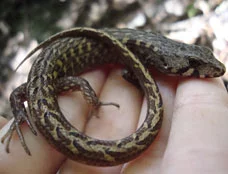
We have a number of small lizards (geckos and skinks) living in New Zealand. One of the least common is the Chevron Skink. According to the Department of Conservation, Chevron Skinks live mostly on two islands - Great Barrier Island and Little Barrier Island. These islands are ‘animal reserves.’ Very few people, other than staff working for the New Zealand Department of Conservation (DOC), are allowed to live there. The DOC staff are called ‘Rangers.’ Their job is to protect the wildlife (animals and plants) living on the island.
Would you like to be a DOC ranger and live with the animals on Great Barrier Island?
On your blog list three pros (good things) and three cons (bad things) about working as a DOC ranger. At the bottom of your post, tell us whether you would like to be a DOC Ranger or not.
(Pros)

1. Learn about different animals
2. Playing with cute animals
3. Watching animals grow up

(Cons)
1. Some of the animals can bite you
2. Some animals run around a lot which can make your job a bit harder
3. DOC rangers have to go through lots of different dirty obstacles and that could be dangerous.

I Would rather be a DOC ranger because I take the opportunity to travel around the world.
Activity 3: The WWF: World Wildlife Fund [10 points]

In 1961, a number of people came together to start an organisation called the World Wildlife Fund (WWF). The main goal of this organisation was/is to protect life on earth. Hundreds of WWF staff work in countries all over the world trying to protect our planet and the animals who live here. To learn more about their amazing work, click on one of the two video links below.

Clip #2: Tigers

Once you have watched the video, go to your blog and, using full sentences, tell us:
1) The name of the animal the WWF is working to save.

Freshwater Seals and Tigers
2) What the WWF is doing to help the animal.

They are building snow banks to protect endangered Freshwater Seals and They exercise and run as fast as they can to catch and save tigers and put them in safe environments

3) What, if any, success they have had protecting the animal.

They have protected lots of animals such as Tigers, Gray whales, Saigas and much more.

Tuesday, 18 December 2018

Summer Learning Journey: Week 1, Day 2

DAY 2: Forest Life

Activity 1: Giants Among Us [4 points]

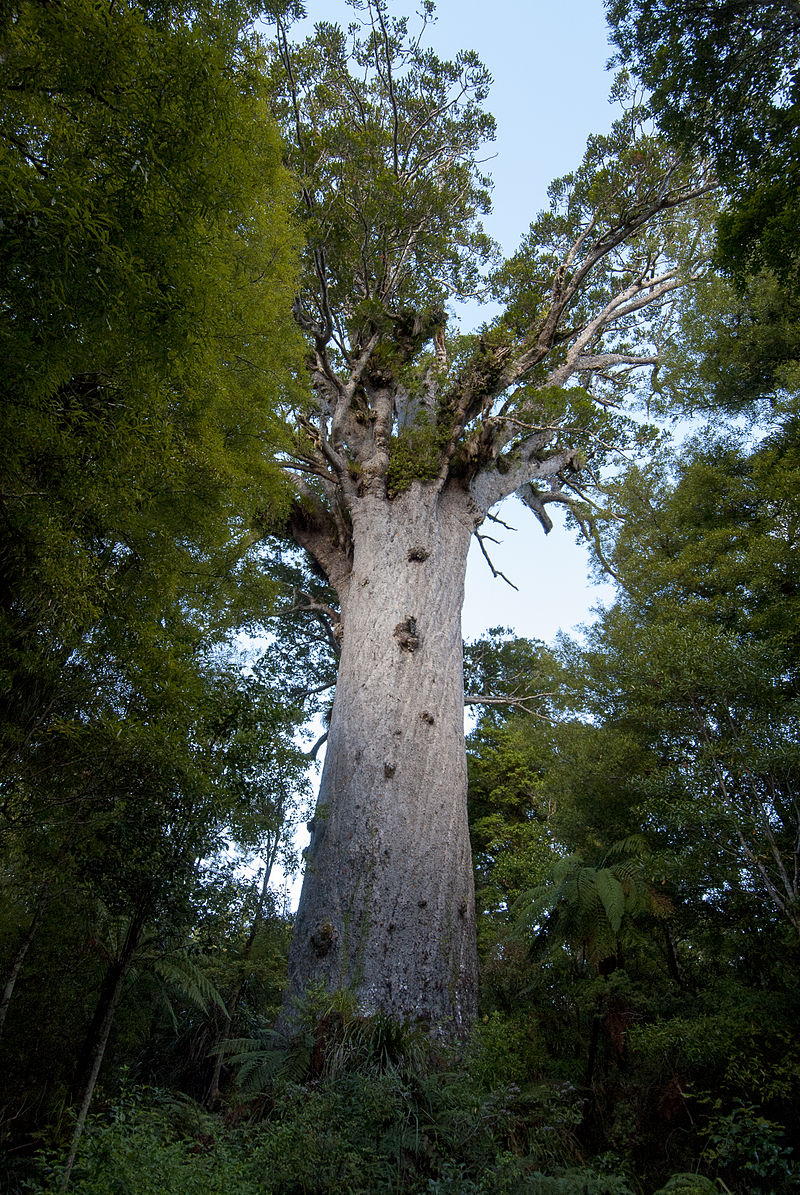
New Zealand has a really special environment. Many of the plants and trees found in New Zealand are not found anywhere else in the world. These plants and trees are endemic to our country.  In New Zealand, one of the largest and longest living endemic trees is the NZ Kauri tree. Kauri is mainly found in three regions of New Zealand: the Coromandel, Auckland and Northland. The largest Kauri tree in the country is in the Waipoua Forest in Northland. It is called Tāne Mahuta. Some people refer to it as the ‘Lord of the Forest.’
Thousands of people go to visit Tāne Mahuta every year. Would you like to be one of those people who got to see Tāne Mahuta in real life? Why or why not?
On your blog, tell us whether you would like to go and visit Tāne Mahuta one day. Be sure to tell us why you do (or do not) want to visit this endemic tree.
I would really like to visit Tane Mahuta one day because it is one of the largest and the oldest trees in the country. And to show off to my friends and tell them that I went to Visit Tane Mahuta

Activity 2: Fabulous Ferns [4 points]

One of the most common plants found in New Zealand forests is the fern. It is a special, iconic symbol of New Zealand. You will find pictures of ferns on the jerseys of many famous sporting teams in New Zealand, including the New Zealand All Blacks.
Did you know that many of these teams also have the word ‘fern’ in their name? Use your best researching skills to find three New Zealand sporting teams who use the word ‘fern’ in their title.
On your blog list three sports teams that have the word ‘fern’ in their title. Beside each team’s name, post a picture of their uniform. Then, at the bottom of your blog post tell us which of the three uniforms you like best and why.

Black fern

Image result for black ferns uniform

Silver Ferns

Image result for silver ferns uniform

Tall Ferns


 Image result for Tall ferns uniforms
My Favourite uniform has to be the Black Ferns because the Black Ferns plays rugby and rugby is my favourite sport to play. I also like it because it has lots of detail added to it.
Activity 3: Weird and Wonderful [10 points]
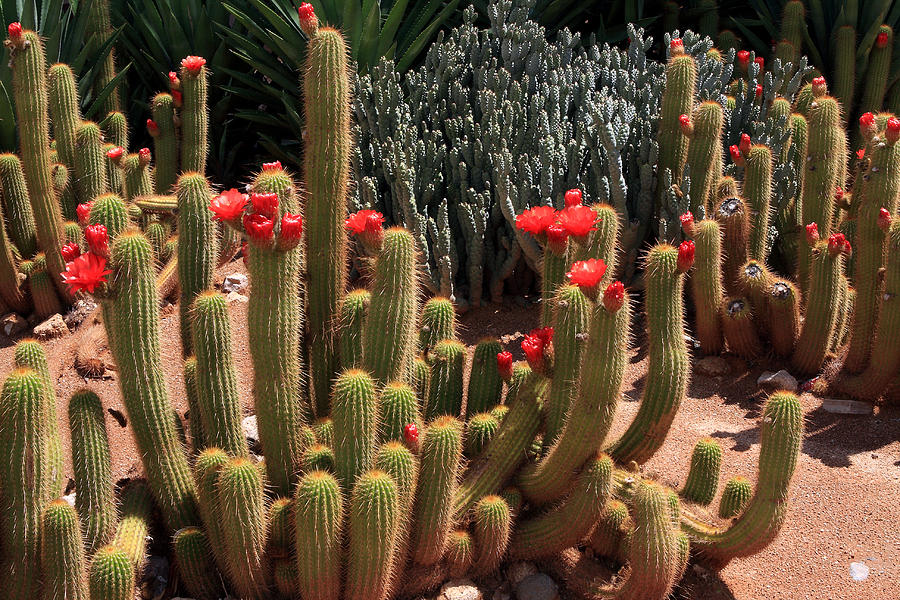
New Zealand is just one of many countries that has amazing plants and trees. In fact, the African desert is home to some pretty incredible plants, like the cactus. Some cacti are able to survive on as little as 3 millilitres (ml) of water a day. Wow!
Let’s imagine that you are given a cactus for your birthday. To keep it alive, you must give it 3 ml of water every day.
Over one full year, how much water will you need to give your cactus plant?
On your blog, tell us how to solve this math problem. You can write your answer in words, use a Sketchpad image, or post a video explaining how you would figure it out. Be sure to give us your final answer in millilitres (ml).


Monday, 17 December 2018

Summer Learning Journey: Week 1, Day 1

WEEK 1: A Place to Stand

Welcome to the first week of the Summer Learning Journey. For our first week, we are going to be learning all about the land habitats here in Aotearoa New Zealand. It is going to be a great adventure!


DAY 1: In the Beginning...


Activity 1: The Legend of New Zealand [4 points]

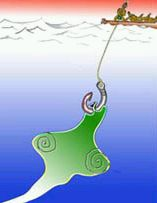
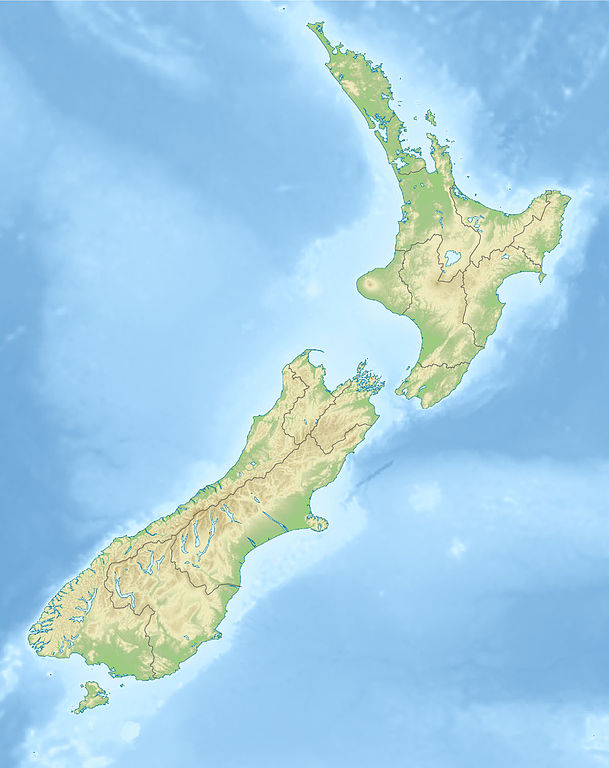
According to Māori mythology, much of Aotearoa New Zealand was formed when Māui, a powerful demigod, fished it out of the sea. Legend has it that Māui created a magical fish hook from the jawbone of his grandmother and that one day he took his hook, boarded a boat, and rode out into the middle of the Pacific Ocean. Once at sea, he threw his magical hook into the water and caught a fish. This ‘fish’ was actually the North Island of New Zealand! In honour of this legend, the North Island of New Zealand is sometimes referred to as Te Ika a Māui or ‘Māui’s fish’ and the South Island of New Zealand is sometimes referred to as Te Waka a Māui or ‘Māui’s canoe’.
To learn more cool facts about New Zealand, check out the Tourism NZ website. Read the fun facts posted on the website and choose your ‘Top 3.’ On your blog, post your ‘Top 3 Fun Facts’ about NZ.
1: New Zealand has the most sheep in the world
2: Auckland is the largest city in New Zealand
3: New Zealand has the longest place name in the world which is Taumatawhakatangihangakoauauotamateapokaiwhenuakitanatahu and yes, it's a word

Activity 2: North and South [4 points]
The country of New Zealand is made up of two main islands – the North Island and the South Island. Approximately 77% of the New Zealand population live in the North Island. Many of these people (including our Summer Learning Journey design team) live in Auckland city. Auckland is a great place to live with lots of amazing parks, beautiful waterways and stunning scenery to enjoy. It is also a busy, vibrant city with many cafes, museums, galleries and theatres to visit. I feel lucky to call Auckland my ‘hometown.’
Now it is time to think about your hometown. What is special about where you live? On your blog, describe your hometown. Be sure to include lots of describing words (adjectives) in your post.
I think my hometown (Auckland) is special because it has 1/4 of New Zealand's population and the government is building lots of houses with insulation.

Activity 3: Ice, Ice Baby [10 points]
Antarctica is the world’s coldest continent. Even though it is made up of ice, it is also the driest continent in the world. In fact, it hasn’t rained there for nearly 2 million years! It is home to many animals such as whales, seals, birds, and fish. There are no permanent human residents (people who live there all the time) in Antarctica, however scientists do visit and stay in Antarctica for a while to study it.

This year the airline, Air New Zealand, filmed their safety video in Antarctica. They used some fabulous actors from Hornby Primary School in Christchurch. Just like on aeroplanes, we also need to keep safe and be smart online. We need to think about the type of information we are sharing online, who we are sharing information with, and how to have a positive digital footprint.

On your blog, make a copy of this footprint and, inside the footprint, explain how you create a positive, digital footprint. What do you do to stay smart online?.


Monday, 3 September 2018

Marcus Thomas: New Zealand Caveman

Today, I read a book called Marcus Thomas: New Zealand Caveman, and this is all the information that i could find on this book.