DAY 5: Blink and You’ll Miss It
Activity 1: Towering Timbers [4 points]
There is a long and rich history of logging in New Zealand. Logging involves cutting down trees. The people who cut them down are called loggers. The trees that they cut down are sold and used to build things (eg. houses), to make products (eg. paper), and to generate (create) heat and power. Over the past two centuries, many of the trees in New Zealand have been cut down by loggers.
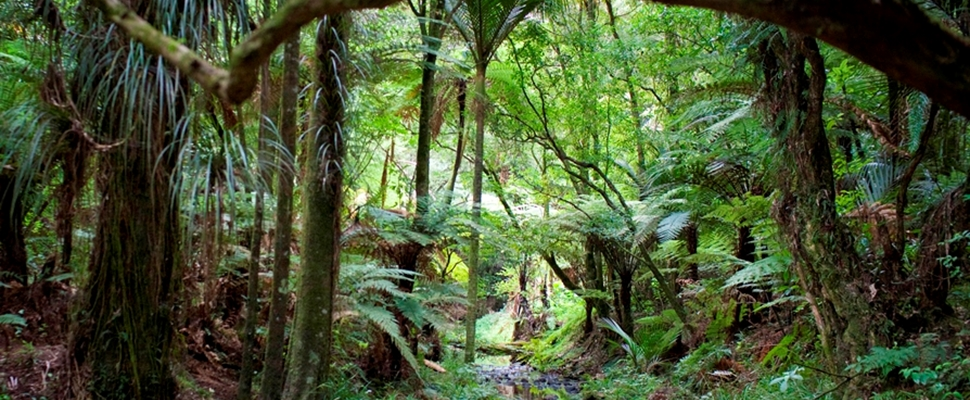
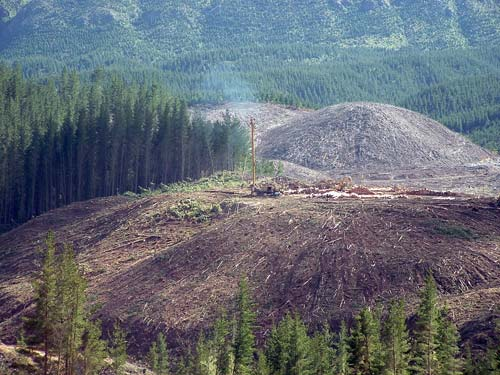
Left: NZ native forest Right: A logged forest
Some people like logging because it creates jobs for the loggers and generates money for New Zealand while others are against (opposed to) logging. Many of those opposed are worried that logging will damage the environment. It might also force animals who live in trees (eg. owls) to find new homes.
What do you think about logging?
On your blog tell us whether you think logging should be allowed in New Zealand. Be sure to provide at least two reasons to support your argument.
I Think that Logging should be ban because Many animals who live in trees might be forced to find new homes. Another reason is that Trees gives us oxygen and without trees, we wouldn't have oxygen in our lungs.
Activity 2: Living on the Edge [4 points]
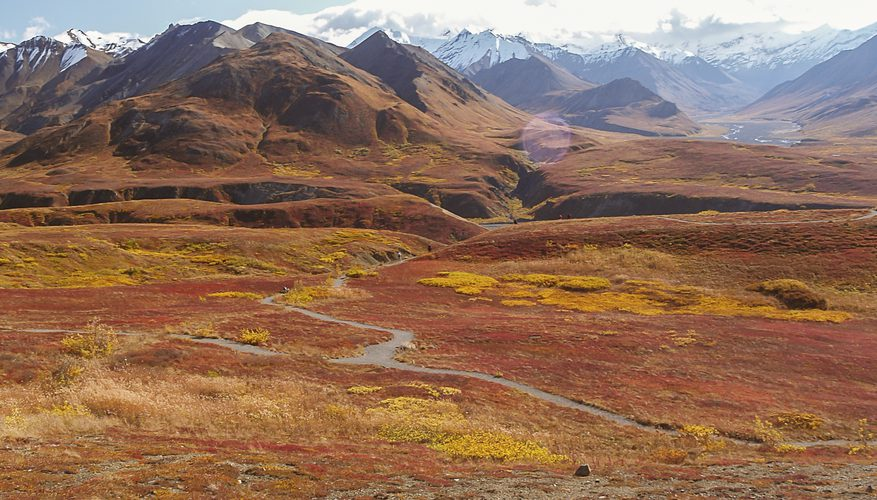
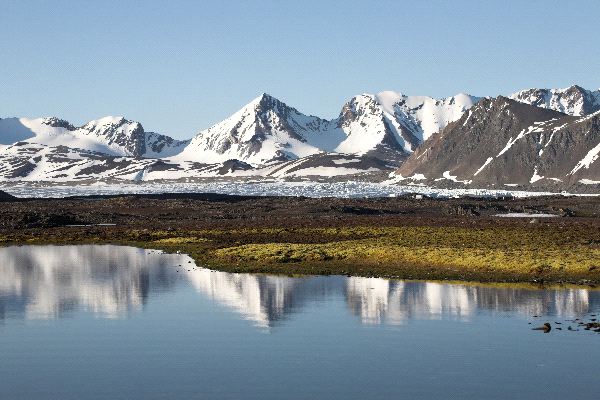
While it can get quite cold in New Zealand, it rarely drops below freezing (00C). Most of the time the temperature in New Zealand is pretty mild. This is not the case in the tundra. The tundra is an area of land (biome) that is cold, dry and completely treeless. Did you know that the average temperature in the tundra is -280C?
Over the past few years, however, the temperature in the tundra has been rising and the weather has been changing. Let’s imagine that your teacher decides to take you on a class trip to the tundra before the weather changes too much and you aren’t able to go.
On your blog, write a letter to your best friend or a family member telling them about your trip to the tundra. To earn full points your letter must have a greeting (eg. Dear…) followed by 5 – 6 sentences of information about what your experience.
Dear Mum, I had just come back from an amazing field trip to the Tundra. The weather has been changing a lot but it didn't bother me that much. I saw lots of Mountains and lots of Fascinating Animals everywhere. There was this one time we encountered a group of Tree-kangeroo. They were cute but most of them were scared of us. We had lots of fun there and I wish to go there again with you and dad.
Love: Saia
Dear Mum, I had just come back from an amazing field trip to the Tundra. The weather has been changing a lot but it didn't bother me that much. I saw lots of Mountains and lots of Fascinating Animals everywhere. There was this one time we encountered a group of Tree-kangeroo. They were cute but most of them were scared of us. We had lots of fun there and I wish to go there again with you and dad.
Love: Saia
Activity 3: Going, going….gone [10 points]
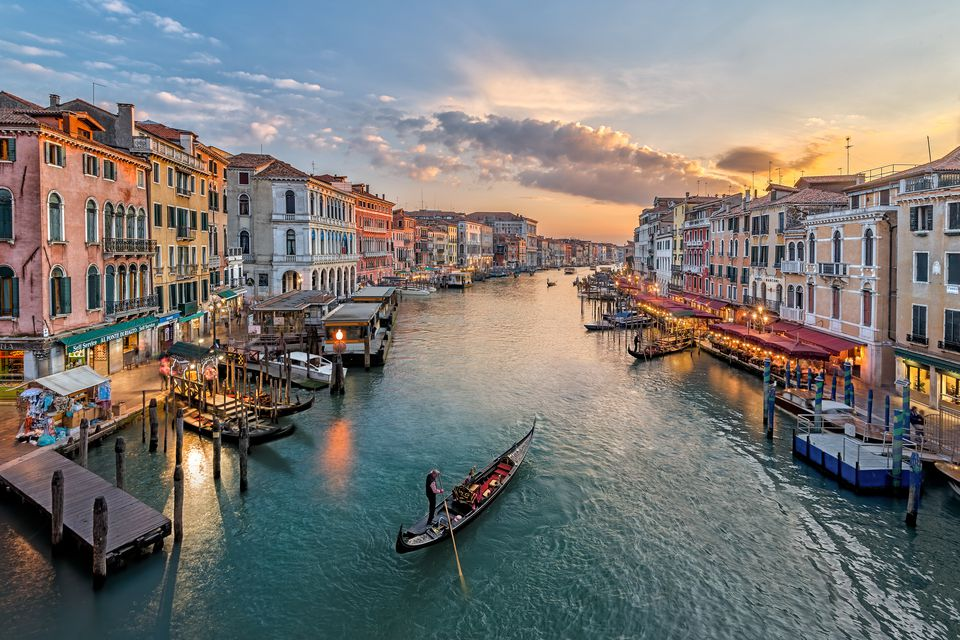
Over the years, scientists have made some surprising discoveries. One of these discoveries is that we have entered cities
(e.g. Jakarta, Indonesia and Venice, Italy) that is slowly sinking into the ocean. Scientists believe that one day, the cities will disappear completely under the water. Yikes!
Some of the residents (people living in the cities) have taken pictures of their neighbourhoods and written stories about their lives in order to make a record of what ‘life was like’ in their city before it disappeared.
Let’s imagine that New Zealand was going to sink to the bottom of the ocean next week (Eek!). Before it sinks you are asked to write a blog post telling people what life was like in New Zealand in 2018.
On your blog, post a description of life in New Zealand in 2018. Please remember that the people who read your post will have never been to New Zealand or even seen a picture so it is your job to ‘paint a picture’ of New Zealand using your words. You can also post pictures if you wish. Be sure to fully attribute the pictures.'
New Zealand is really fun because, in Auckland, there is an amusement park called Rainbows end. Rainbows end is my favourite amusement park because there are a lot of scary rides. New Zealand has many cities but the most popular one is Auckland. Auckland has 1/4 of the population of New Zealand. But the only downside is Christchurch with all its earthquakes and the amount of graffiti. Other than that, New Zealand is a beautiful country.

New Zealand is really fun because, in Auckland, there is an amusement park called Rainbows end. Rainbows end is my favourite amusement park because there are a lot of scary rides. New Zealand has many cities but the most popular one is Auckland. Auckland has 1/4 of the population of New Zealand. But the only downside is Christchurch with all its earthquakes and the amount of graffiti. Other than that, New Zealand is a beautiful country.


