DAY 5: Wasting Away
Activity 1: Off the Menu [4 points]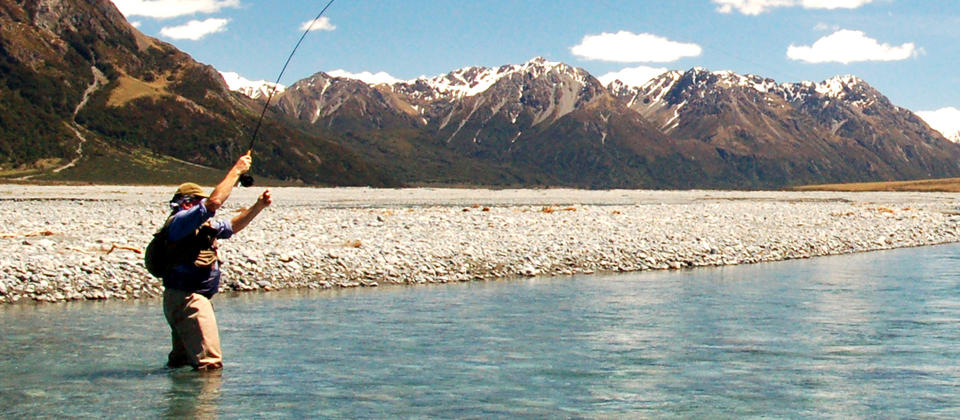
Fishing is a really common activity in New Zealand. In fact, people have fished in New Zealand for centuries. Unfortunately, over the past few decades, some people have caught too many fish in one area and left the region without enough fish to refill (replenish) the stocks. When this happens we call the area ‘overfished’ and it is closed to all private and commercial fishing. If people are caught fishing in these areas, they are required to pay a fine (money). The maximum fine for fishing in a restricted area is $100 000.
What do you think about this rule? Is it fair that people are charged up to $100 000 for overfishing?
On your blog, tell us what you think about this rule and why you think it!.
I think that it is fair that people are being charged up to $100,000 for overfishing because the population of our fishes is going down and these people are making it worse for the fishes. another reason is that fishes are living creatures and fishes plays a very important role in nutrient cycles.
Activity 2: The Black Drain [4 points]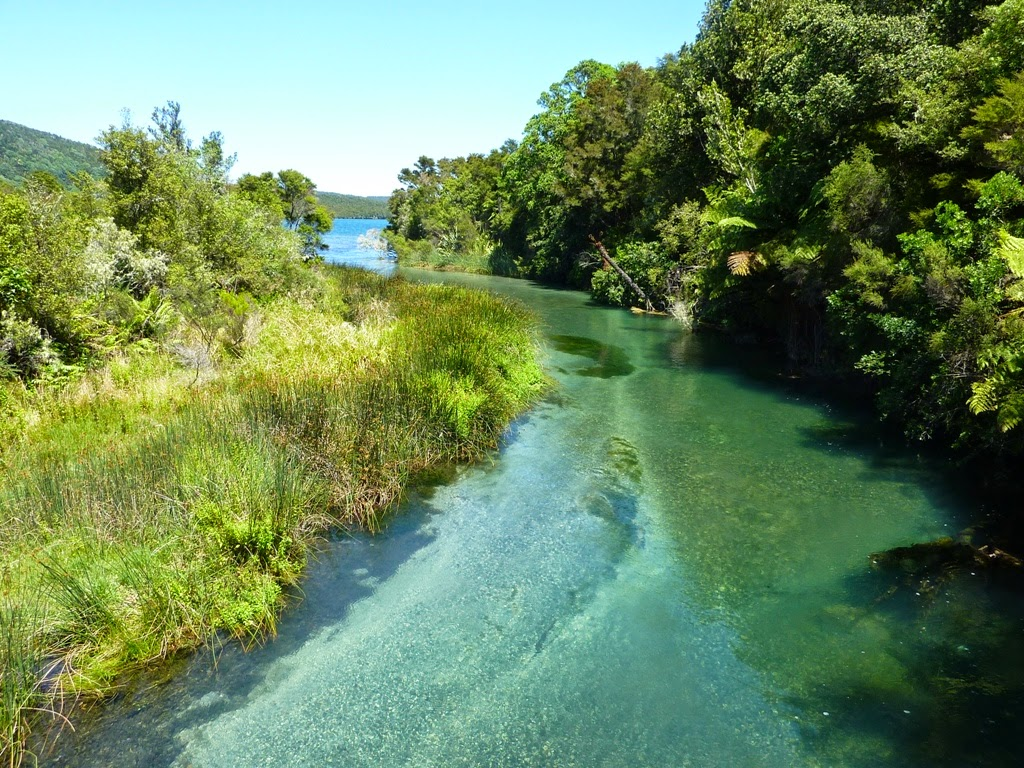
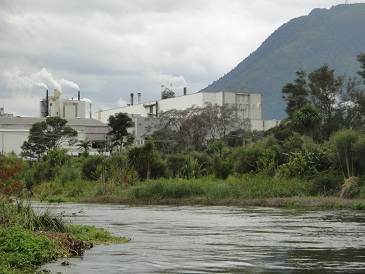
Approximately two-thirds of all rivers and one-half of all lakes in New Zealand are too polluted to swim in, according to a recent article in an online newspaper. One of the most polluted is the Tarawera River in the Bay of Plenty region of New Zealand. Pollution enters the river from a local pulp and paper mill, from local farms and through the local sewage system. Many other rivers in New Zealand are also polluted with waste from businesses and farms.
Use Google to help you find two other polluted rivers in New Zealand.
On your blog, tell us:
1) The names of the rivers.
Waikirikiri river and karamu stream
2) The location of the rivers.
Hawke's Bay and Canterbury
3) What is being done to clean up the rivers (if anything)
Nothing 😢😢
Activity 3: Faded Glory [5 points]
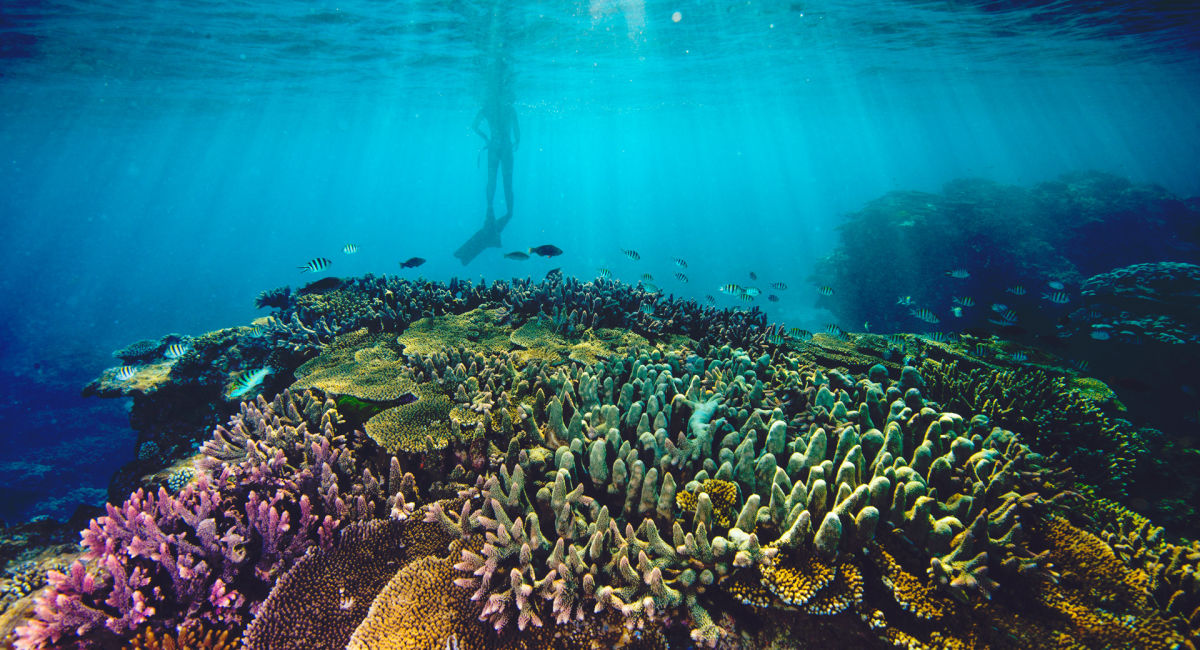
The Great Barrier Reef is the world’s largest coral reef system, made up of 2900 individual reefs. It is so big that it can actually be seen from space! The reef is located on the east coast of Australia and many people believe that it is millions and millions of years old. For most of its life, the reef has been a healthy, vibrant ecosystem. Over the past thirty years, however, it has changed dramatically. Much of the beautiful bright coral has become bleached and has lost its colour. Sections of the reef have also been damaged by tourists, cyclones and the introduction of new, damaging invasive species.
The Australian government is working to protect and preserve the reef. Each year they spend about $200 million dollars repairing and protecting the reef. It is a lot of money and they could really use some help raising the money (funds) required to repair the reef. This is where you come in!
On your blog, list three different ideas or strategies for raising funds to preserve the Great Barrier Reef. What could you do to fundraise here in New Zealand?
Three ideas for fund raising.
- Car wash
- Lemonade stand
- mowing peoples lawn.